Massage: technique, texture and treatment-room know-how
Practical reflections on massage: textures, protocols, retail. Hands-on feedback for salons and spas.

Face oil, long relegated to the status of a product "for dry skin", is now established in the majority of professional protocols. Yet, its integration in the treatment room still raises questions. Texture, application, client acceptance. After fifteen years spent in beauty salons and spas, I have observed this evolution. And tested, a lot. What they don't tell you in training is that everything is in the technique. And in the way the treatment is presented.
Clients often arrive with prejudices.
"It will make me shine." "It's too greasy for me." "I already have oily skin."
In practice, these objections fall away after the first application. Face oil generally penetrates better than an emulsified cream, especially if it is well formulated. The active ingredients are concentrated, without water, without thickeners. Just plant lipids and liposoluble active principles.
On the ground, oil really facilitates manual work. The modeling maneuvers go better, without pulling on the skin. And on the client side, the sensation is incomparable. Especially in winter, when skin is dehydrated by the heating.
Not all oils are equal. In the treatment room, we cannot afford to test randomly. The client pays for a result, not for an approximate experience.
| Skin type | Recommended base | Ideal texture |
|---|---|---|
| Dry/mature | Rich oil (argan, avocado) | Creamy, nourishing |
| Combination | Jojoba, hazelnut | Dry, fast penetration |
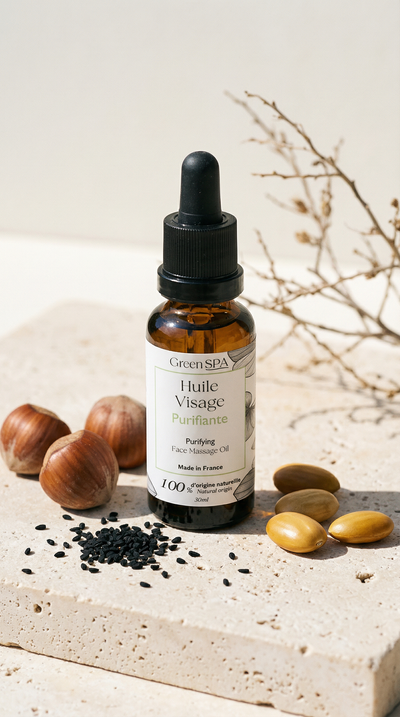
| Oily/acne-prone | Apricot kernel, black seed | Light, non-comedogenic |
| Sensitive | Calendula, chamomile | Gentle, soothing |
I long favored complex mixtures. Then I understood that a simple, well-balanced formula gave better results. Fewer ingredients, less risk of reaction. And above all, better tolerance.
We tend to put too much product. For fear that it won't be enough, or because we reproduce the cream gesture. With face oil, three to four drops are more than enough. Warmed between the palms, lightly emulsified with a few drops of hydrosol if necessary.
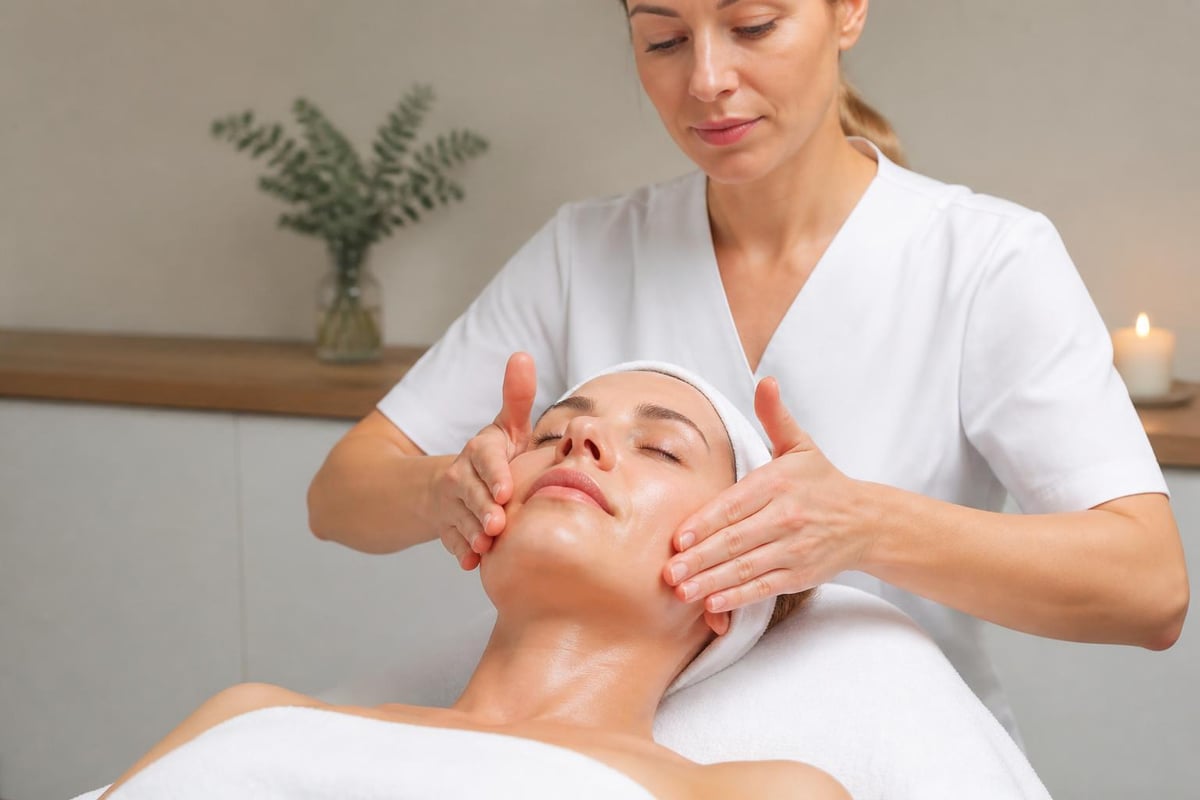
The technique is to press rather than spread. Place the hands on the face, let the heat penetrate. Then massage in lymphatic drainage or deep smoothing, depending on the objective of the treatment.
No need to change everything. Face oil naturally fits into most treatments.
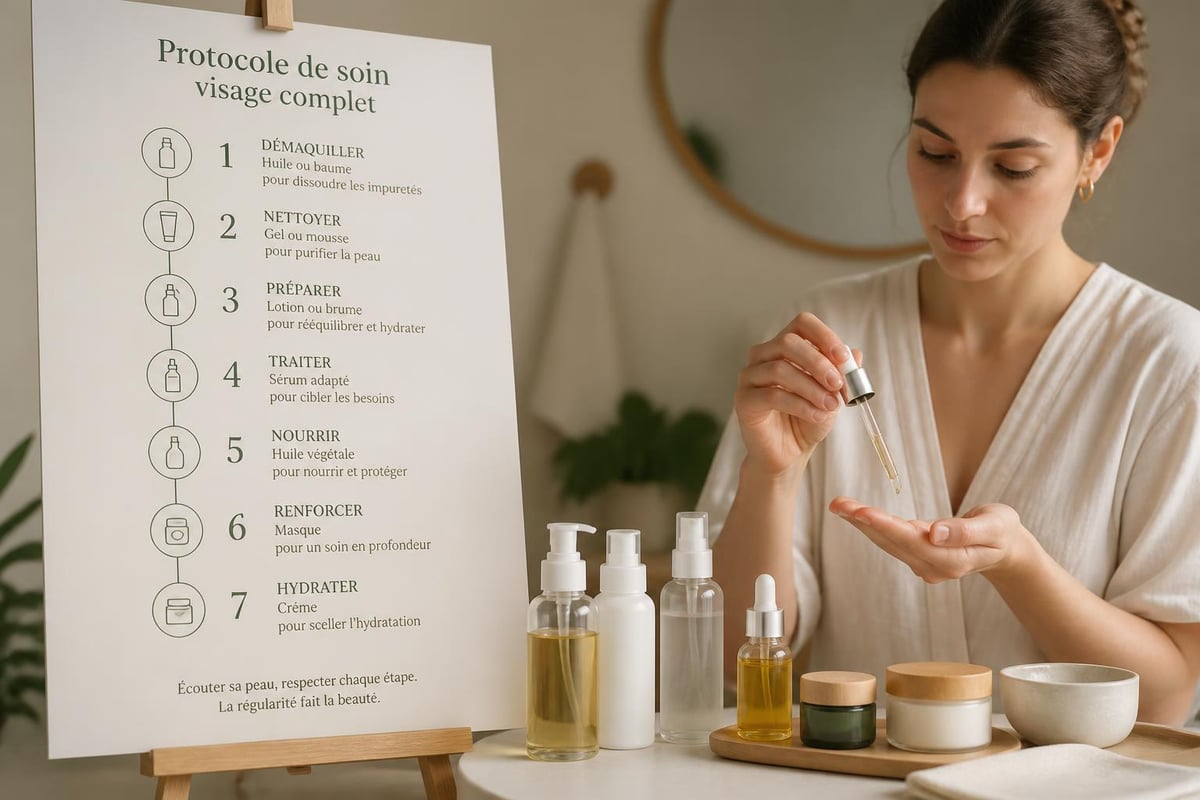
At the end of a classic protocol: after the serum, before or instead of the cream. Personally, I often finish with an oil rather than a day cream. It leaves a more luminous finish, less "made up".
As a specific massage: for anti-aging or radiance treatments, oil allows to work deeply without irritating. Japanese or kobido maneuvers pass particularly well with an oily texture.
As a hydration boost: mixed with a mask or applied in a thin layer under a sheet mask. This superposition creates a light occlusion that multiplies the effectiveness of the active ingredients.
Some clients come specifically for a treatment with the Signature Oil: The Precious Orchid, attracted by the sensory dimension as much as by the results. Olfaction plays a huge role in the perception of the treatment. An oil with a delicate fragrance completely transforms the experience.
The blockage rarely comes from the product. It comes from the way it is presented.
Training the practitioners is essential. They must feel the difference, understand the textures, master the gestures. I always organize internal practice sessions before introducing a new range. We test among ourselves, we compare, we adjust the protocols.
Resale follows naturally when the treatment is successful. Clients spontaneously ask for "the oil from the treatment". No need for a sales pitch. Just explain how to reproduce the gesture at home, morning or evening depending on the need.
Applying on damp skin without prior emulsification. The oil slides, does not penetrate, stays on the surface. Disappointing result and unhappy client. Either we apply on perfectly dry skin, or we emulsify lightly with a facial mist.
Offering an oil too rich for combination skin. Even with a good massage, it leaves an unpleasant shiny finish. Better a light texture that can eventually be reworked at the end of the treatment.
Neglecting olfaction. A face oil that smells too strong or is unpleasant cancels all the benefits of the treatment. I have learned to always make them smell it before applying. A simple gesture that avoids bad surprises.
| Problem encountered | Probable cause | Solution |
|---|---|---|
| Persistent greasy effect | Excessive dosage or oil too rich | Reduce the quantity, choose dry texture |
| Slow penetration | Application on damp skin | Dry completely before application |
| Pimples after the treatment | Comedogenic oil for this skin type | Check the composition, adapt the choice |
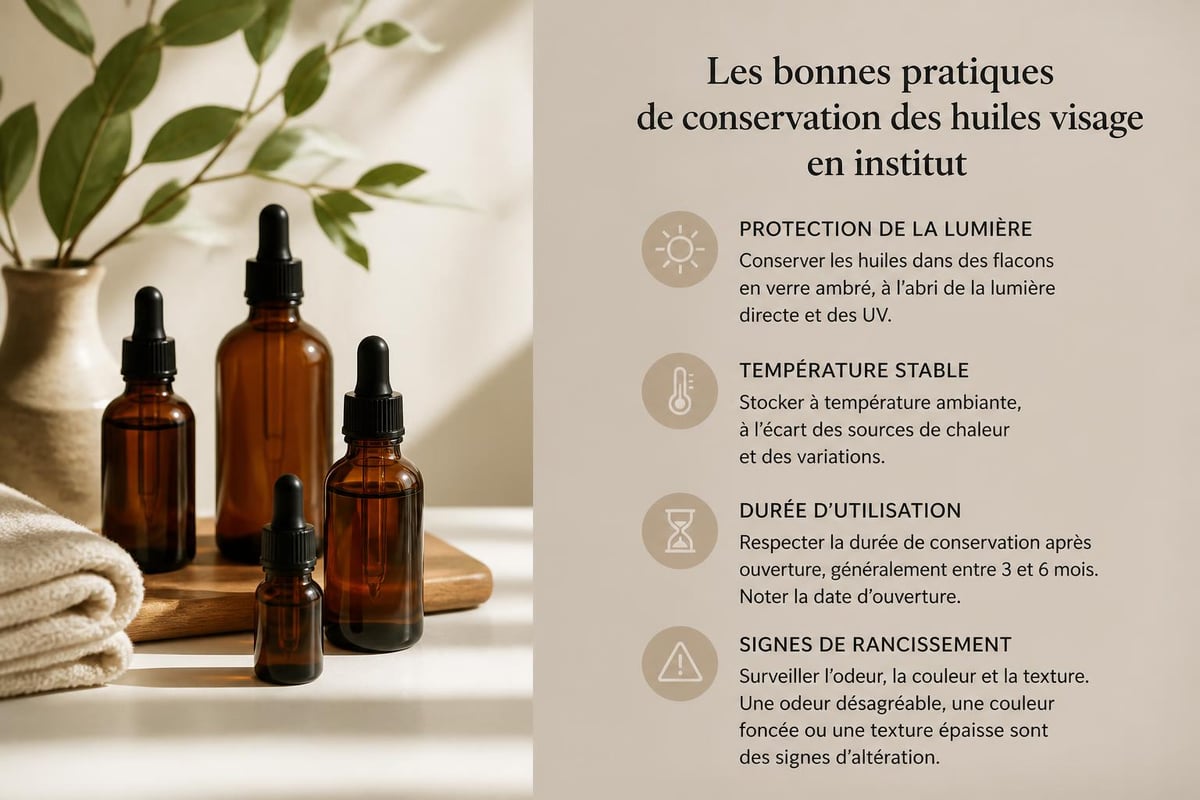
Vegetable oils oxidize. It's a fact. Especially when they are exposed to light and heat.
In the treatment room, we favor tinted bottles, with airless pump if possible. We avoid storing near heat sources (radiators, exposed windows). And we systematically note the opening date.
A rancid oil smells bad and loses its properties. Worse, it can irritate the skin. In practice, I renew every six months maximum, even if the bottle is not finished. It's an investment that is justified by the quality of the treatment.
For organic cosmetics, this vigilance is even more important. Fewer preservatives, therefore a shorter shelf life once the product is opened.
Clients who adopt the oil in treatment often want to continue at home.
This is where the advice sale takes all its meaning. No forcing, just guidance. Explain the gesture, the frequency, the quantity. Show how to apply, on slightly damp or dry skin depending on the texture.
The pitch that works: "It's exactly the one I used during the treatment. You apply four drops in the evening, on clean skin. It replaces your night cream."
Simple, clear, reassuring.
On average, a client satisfied with an oil facial treatment has a 60% chance of buying the product. Provided they are given the keys to use it well. Understanding the composition of a massage oil also helps to better advise on face oils, the principles being similar.
The profitability is interesting. Good margin, fast rotation if the treatment is regularly practiced. And guaranteed loyalty, since the client comes back to buy again every two to three months.
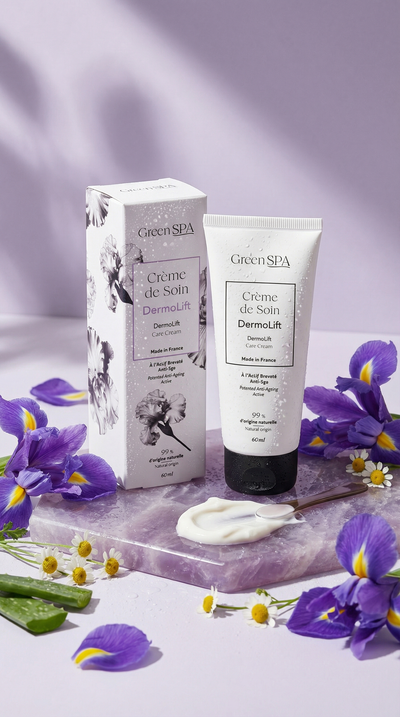
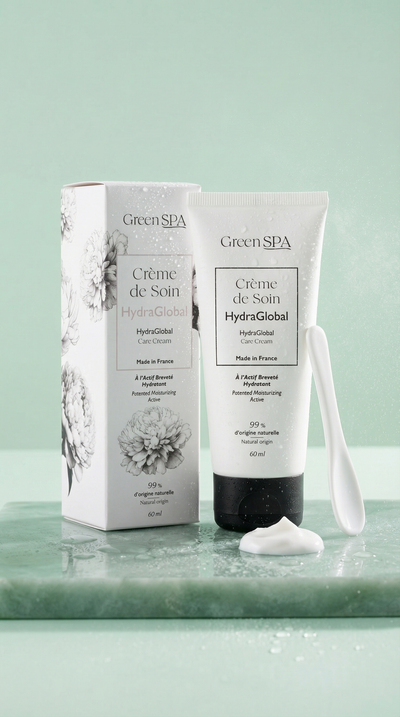
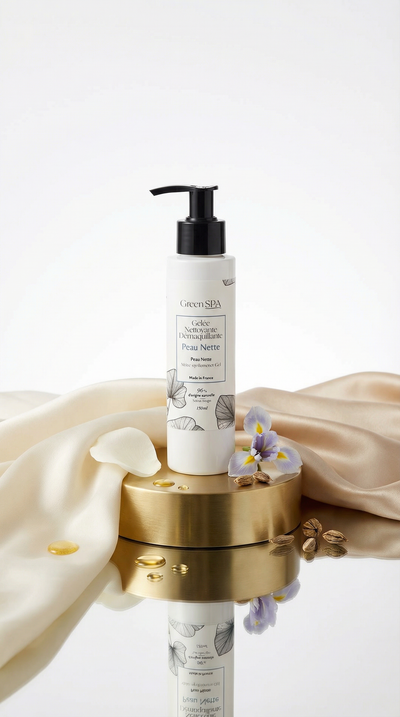
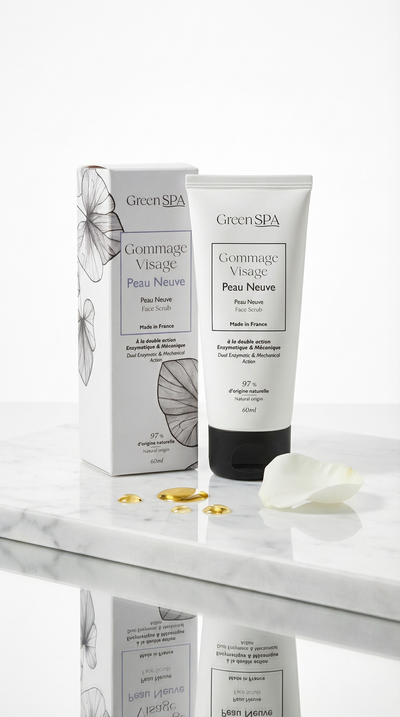
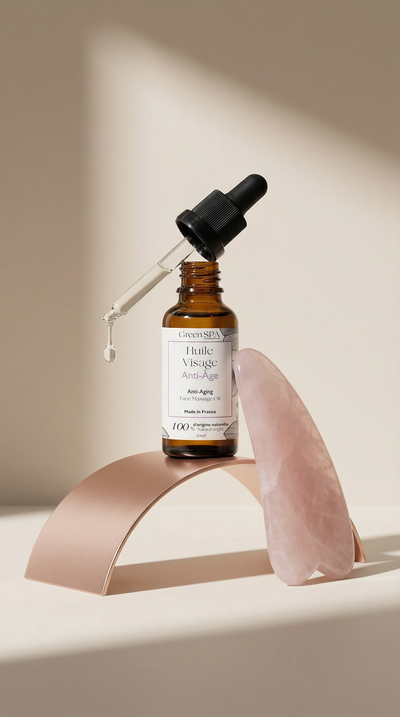
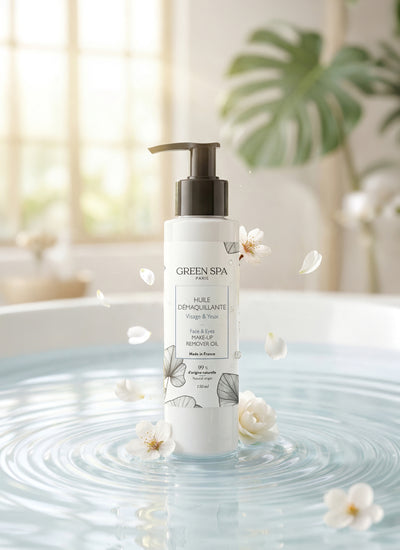
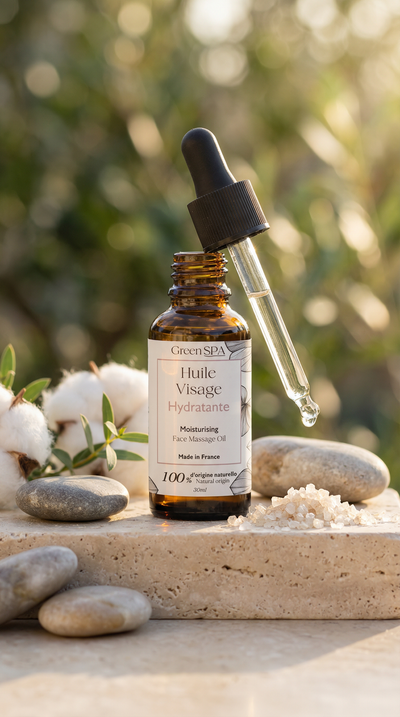
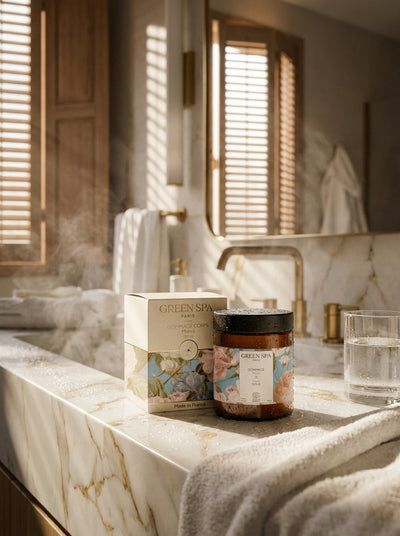
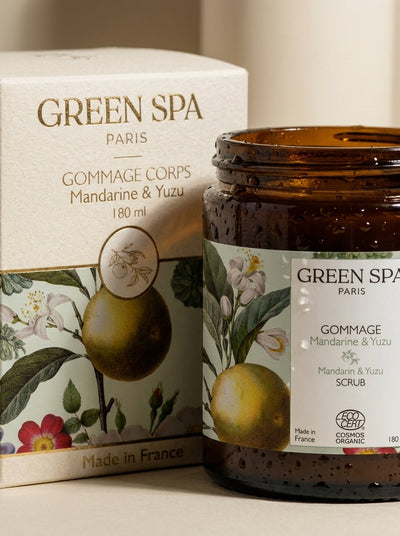
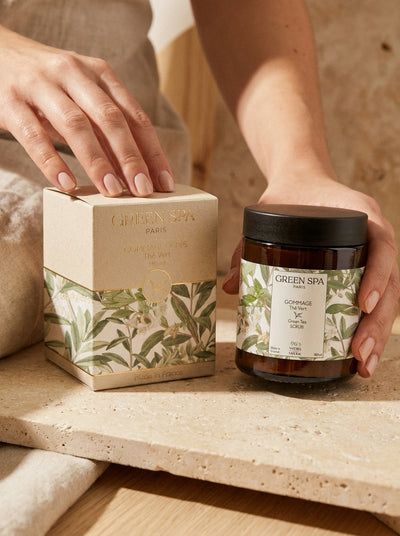
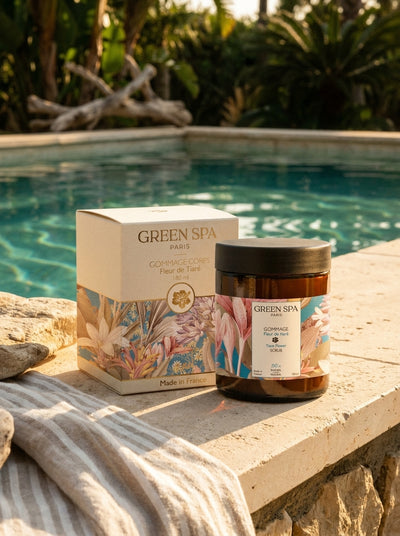
Face oil really transforms the quality of treatments in the treatment room. It requires a precise technique and a good understanding of textures, but the results speak for themselves. If you are looking for professional formulas adapted to treatment room protocols, Green Spa offers a range of organic oils made in France, designed to meet the requirements of practitioners and the well-being of clients.