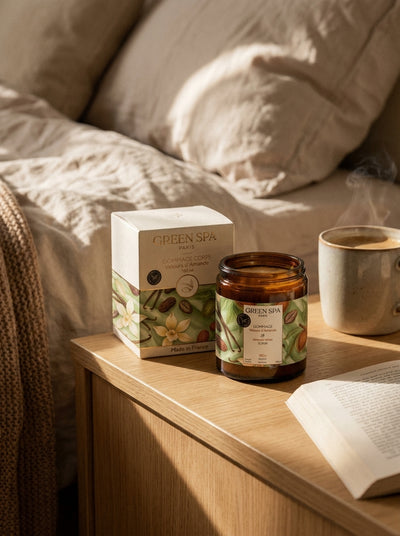
Body Massage Benefits: Real-World Truths in 2026
Real benefits of in-room body massage: pain, stress, recovery. Field protocols, scientific evidence, honest limitations. Professional feedback.

After fifteen years juggling treatment rooms, orders, and customer feedback, I've learned one thing. Professional spa products are never just a matter of packaging or catalog prices. It's a constant balance between what your client expects, what your therapist can apply without getting a cramp after six massages, and what your accounting can support. Not to mention the increasingly strict regulations.
We can broadly distinguish three categories. Body care cosmetics (oils, balms, scrubs), hygiene and ambiance products (soaps, diffusers, linens), and technical products for water and equipment maintenance.
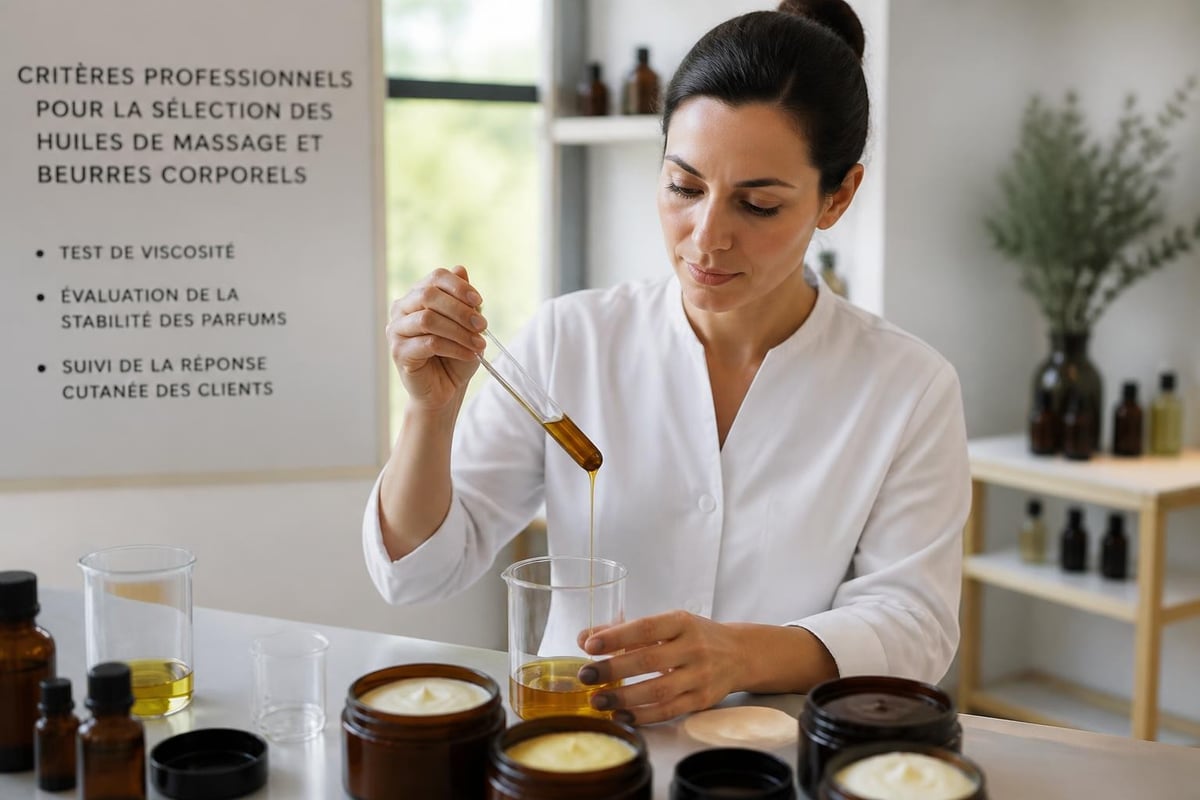
Massage oils form the backbone. Texture, glide, absorption, longevity. I've seen beautiful oils on paper that became sticky after twenty minutes or smelled musty after three months. In practice, we look for:
Body butters require a different logic. Melting on contact, rich without being occlusive, they are often reserved for moisturizing protocols or signature rituals. Some spas also use them for resale, but packaging matters just as much as the formula.
| Product Type | Main Use | Priority Criterion | Main Risk |
|---|---|---|---|
| Massage oil | Body care, massage | Glide + absorption | Rancidity |
| Body butter | Wrapping, hydration | Melts without greasiness | Phase separation |
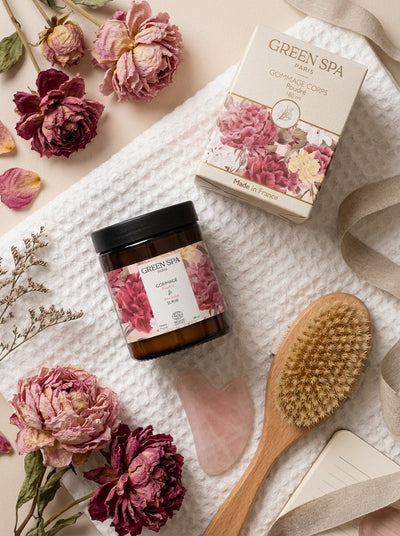
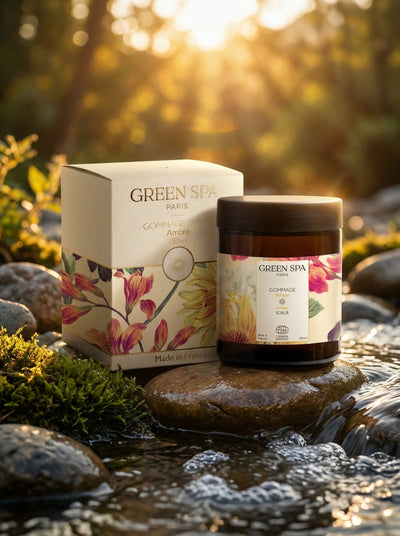
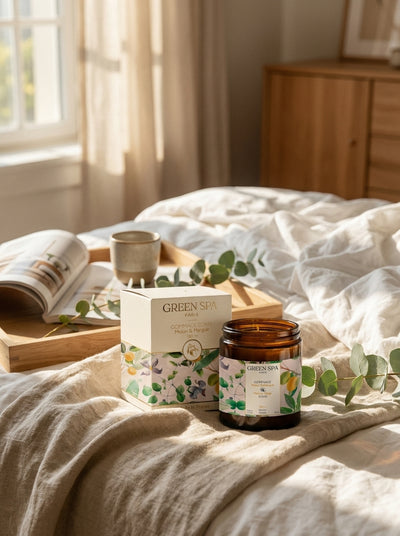
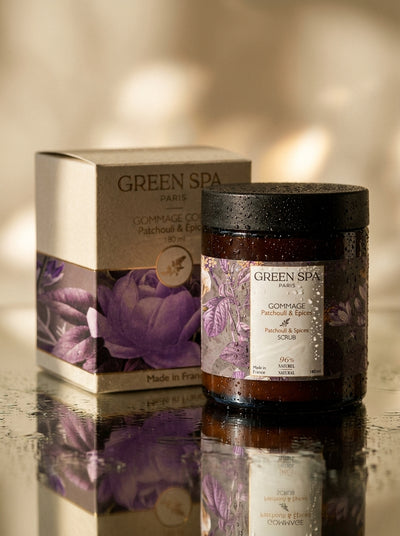
| Scrub | Exfoliation | Uniform particle size | Clogged drains |
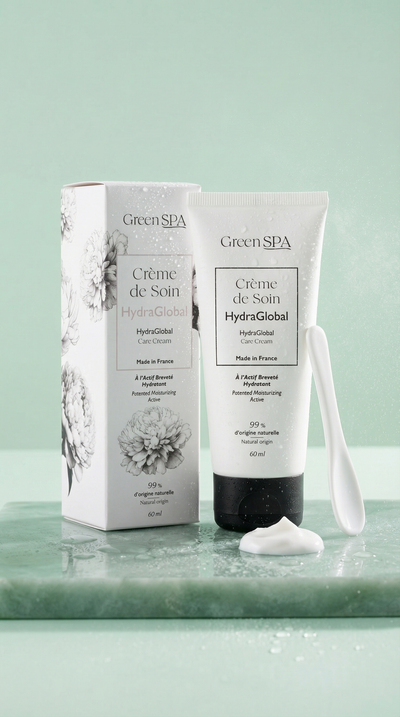
| Care cream | Face, finishing | Fast penetration | Skin incompatibility |
The atmosphere of a spa also comes down to the invisible details. Room fragrances, welcome soaps, the quality of the linens. Many establishments underestimate the impact of towels. A towel that pills, smells musty, or scratches after three washes can ruin a €120 treatment.
For diffusers and sprays, pay attention to IFRA standards for fragrance materials. The safe use of essential oils is regulated, especially in enclosed spaces with controlled ventilation. We have already seen inspections flag non-compliant compositions.
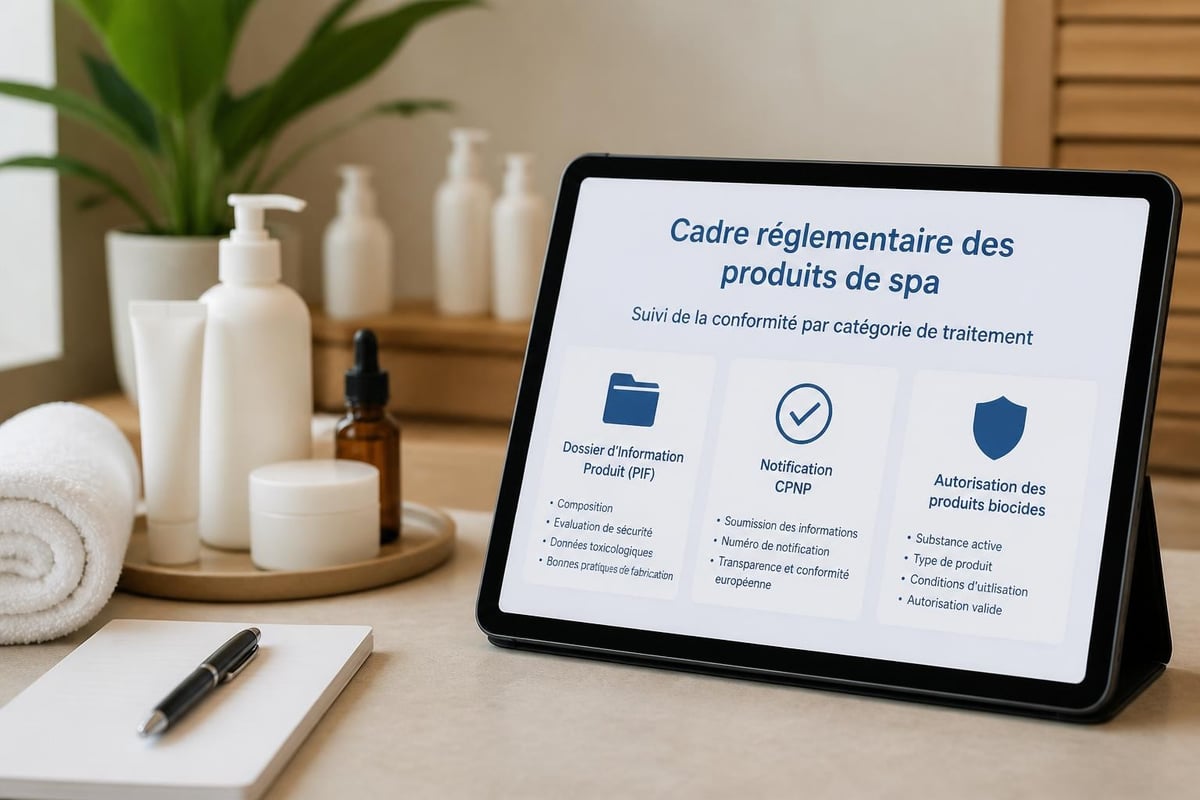
The European Cosmetics Regulation applies to all products applied to the skin, even for exclusive professional use. Product information file, safety assessment, notification on the dedicated portal. Non-negotiable.
For water treatment products and disinfectants, the biocidal framework applies. Whirlpools, thalasso pools, heated swimming pools: water management requires real expertise. The PWTAG practical guides provide concrete benchmarks, even if they are British references.
Regulatory points of vigilance:
Legionellosis remains a risk in poorly maintained water systems. ASHRAE recommendations and WHO tools remind us of the importance of monitoring protocols. In the field, this means temperature readings, regular flushing, and bacteriological analyses.
Choosing professional spa products means balancing several logics. Quality perceived by the client, comfort of work for the team, profitability, brand image. Rarely are all the lights green at the same time.
A therapist who massages six hours a day does not have the same expectations as a client testing an oil at home. She looks for:
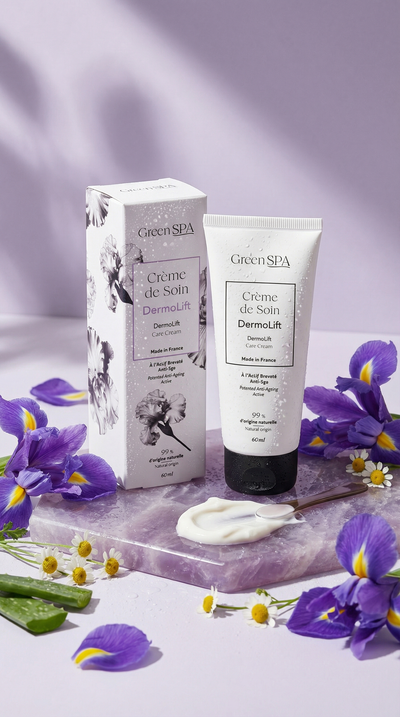
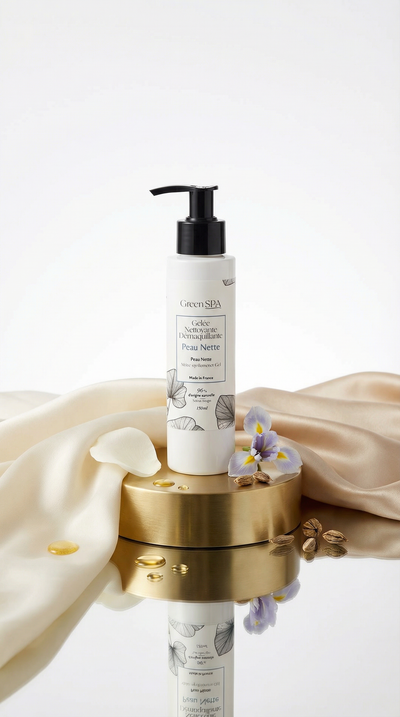
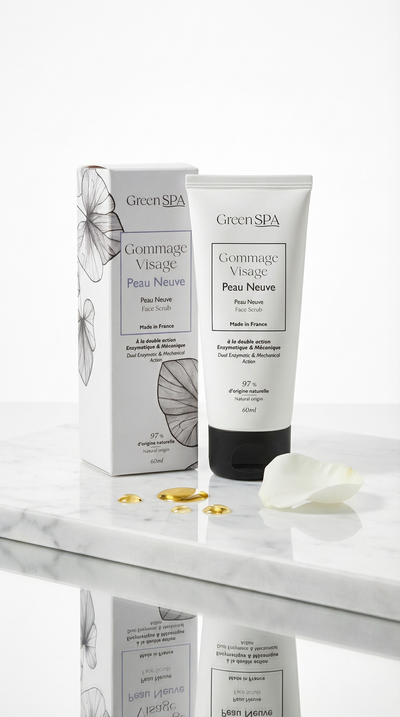
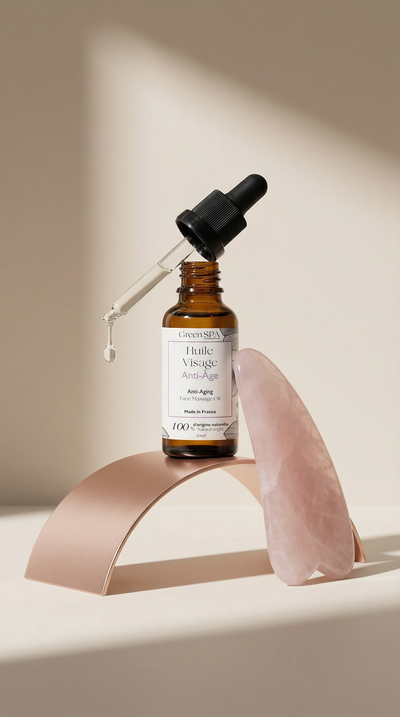
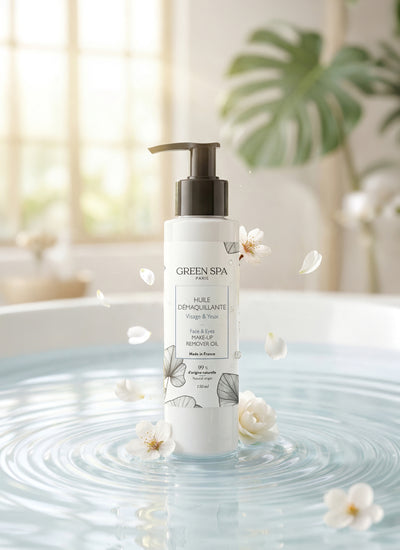
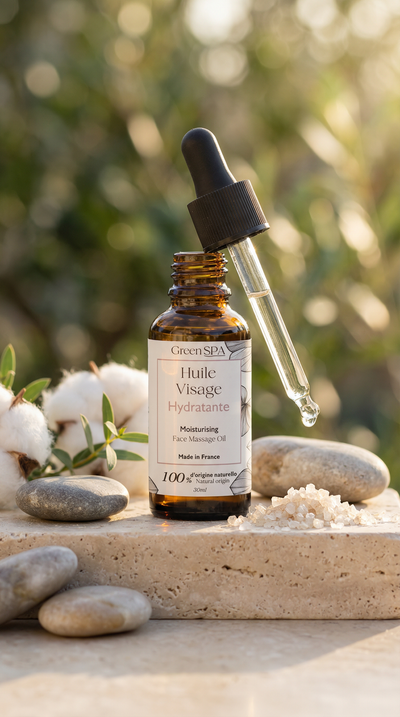
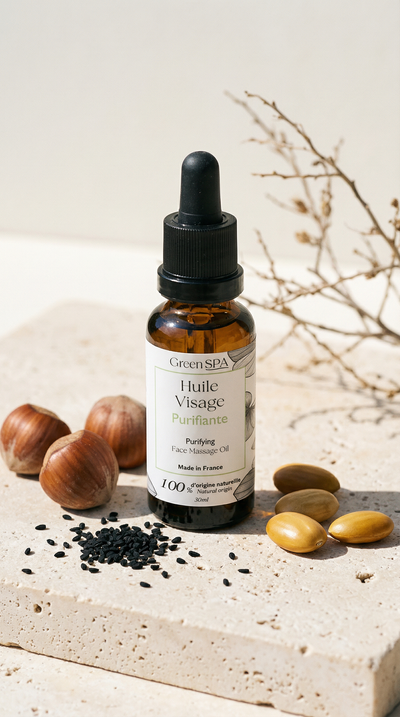
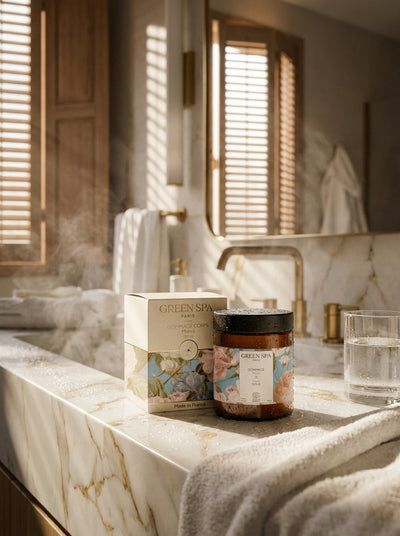
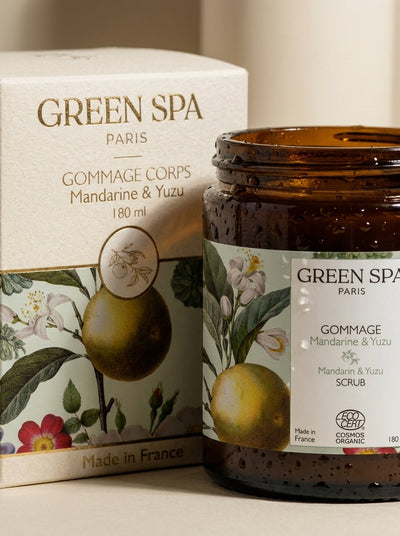
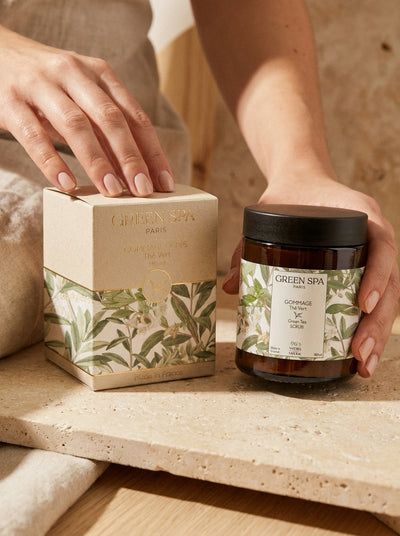
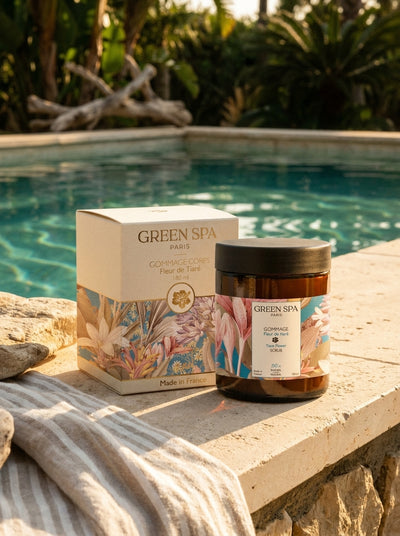
Brands like Green Spa have understood this professional dimension. Their organic formulations take into account intensive use, not just a one-off experience. The Signature Oil: Precious Orchid, for example, offers continuous glide without overload, with an olfactory evolution that remains pleasant for therapists even after several treatments in a row.
The choice of products sends a message. Organic, vegan, made in France, luxury, medical. It all depends on your clientele and your values. A trendy urban spa will not bet on the same references as a medical thalasso.
Resale can account for 15 to 25% of revenue in certain segments. But it imposes another level of requirement: careful packaging, clear messaging, staff training. It's not easy to switch from an "internal use" mode to a real retail logic.
| Criterion | Weight in Treatment | Weight in Resale |
|---|---|---|
| Technical efficiency | High | Medium |
| Packaging design | Low | High |
| Brand storytelling | Medium | High |
| Price per liter | High | Low |
| Stock availability | Critical | Critical |
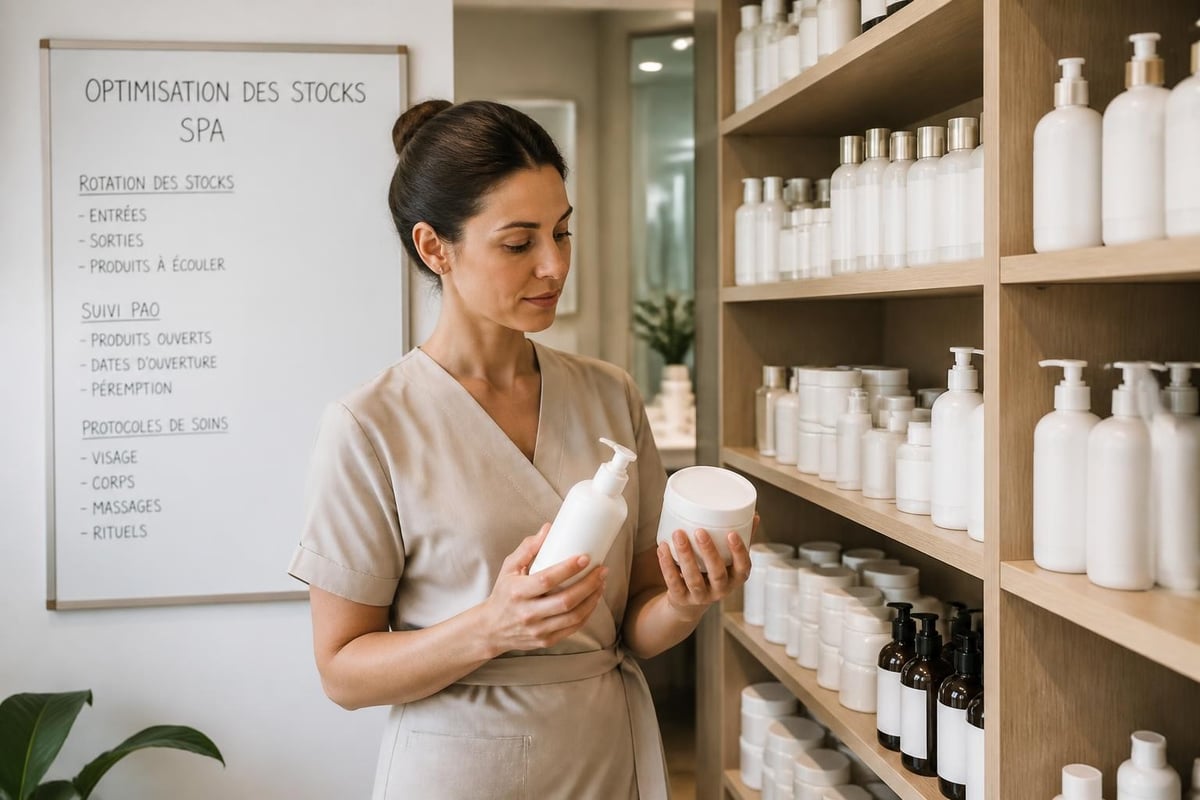
Ordering just enough is an art. Too little, and you break the rhythm of treatments. Too much, and you tie up cash in products that can evolve (oil oxidation, emulsion separation).
Best practices:
Many spas keep dozens of references "just in case". Result: waste, confusion in the treatment room, protocol errors. Better a tight, mastered range, with products we know by heart.
The resources of the ISPA include interesting benchmarks on procurement management and average consumption ratios by treatment type.
Organic is no longer a niche. It has become a standard expectation, especially in France. Clients read labels, ask questions about certifications, compare. Natural products have gained technicality, they are no longer synonymous with compromise on texture or preservation.
Eco-responsibility goes beyond the formula. Refillable packaging, short supply chains, traceability of raw materials. Some players, notably in the network of innovative beauty brands, push the logic all the way to a complete life cycle analysis.
Another movement: personalization. Tailor-made protocols, adapted oil blends, individualized advice. It requires training, organization, but it builds loyalty. The client no longer looks only for a moment of relaxation, he wants an experience designed for him.
Successful spas often combine technical requirement and narrative coherence. They do not change their range every six months. They build an identity through their products, their gestures, their vocabulary. That is what brings clients back.
Choosing your professional spa products is above all a matter of coherence. Between what we promise, what we practice, and what we can economically sustain. If you are looking for organic formulations, made in France, with real sensory expertise, Green Spa has been supporting institutes and thalassos since 2021 with rituals designed to last. A professional approach, without the hype.