
Ultimate Guide to Natural and Organic Cosmetics 2025
Discover the ultimate guide to natural and organic cosmetics in 2025 Definitions labels trends expert advice and selection of brands for a healthy beauty routine

Faced with the rise of natural products, the choice of an organic cosmetic label is a real challenge. The diversity of labels on the market can quickly sow confusion, even among informed consumers.
The challenges are numerous: preserving your health, respecting the environment and encouraging responsible ethics. This is why more and more consumers are turning to certified products, synonymous with security and transparency.
Opting for an organic cosmetic with a recognized label means ensuring the quality of the ingredients and the seriousness of the controls. But how do you navigate among all these certifications?
In this article, discover the 7 essential labels you absolutely need to know in 2026 to make informed and responsible choices.
The cosmetics market is evolving rapidly, and knowing each organic cosmetic label is becoming essential to making responsible choices. Organic labels guarantee the safety, quality and transparency of the products we use. But how do you navigate among the multitude of certifications? To help you, here is an overview of the 7 essential labels to master in 2026. For more details on the certifications to favor, consult the page Cosmetic certifications to favor.
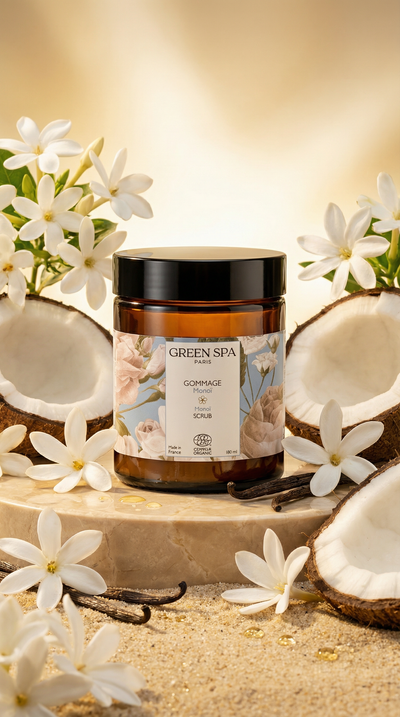
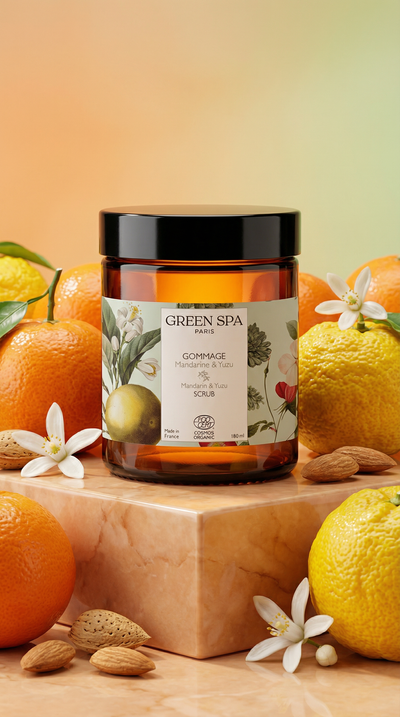
The Ecocert COSMOS Organic label is a European pioneer and an international reference in the world of organic cosmetics labels. It imposes strict criteria: 95% ingredients of natural origin and at least 20% organic ingredients in the finished product. GMOs, parabens, silicones as well as synthetic perfumes and dyes are prohibited.
Packaging must be recyclable and excess packaging limited. The certification process is transparent, with regular checks. This label covers a wide range of organic cosmetic and hygiene products. It is recognized for its reliability and the confidence it inspires. To find out more, discover Ecocert, cosmetic quality label.
The Cosmébio label, a French pioneer created in 2002, brings together more than 450 companies involved in organic cosmetics. It offers three levels of certification: Cosmos Organic, Cosmos Natural and Organic Cosmetics. The requirements are for 95% natural ingredients and between 10 and 20% ingredients from organic farming, depending on the category.
Cosmébio is also committed to the environment, fair trade and animal respect. The transparency of formulas and responsible marketing are at the heart of its approach. This organic cosmetic label is very visible in France and appreciated for its credibility, although it is sometimes considered less strict than other European labels.
Nature & Progrès is a French associative label, among the most demanding in the organic cosmetics label. Its specifications prohibit any petrochemical ingredient, GMO, palm oil or animal material (excluding beehive products).
It values social ethics, solidarity, short circuits, and renewable energies. The controls are participatory, involving professionals and consumers. This organic cosmetic label supports small structures and artisanal approaches, but certification is difficult to obtain and the number of labeled products remains limited.
NaTrue is an international non-profit label, recognized in the world of natural organic cosmetics. It offers three levels of certification: natural, natural partly organic, and organic. Synthetic ingredients, GMOs and animal testing are strictly prohibited.

The transparency on the composition and manufacturing processes is total. This organic cosmetic label benefits from worldwide recognition and is very present among major natural brands. However, the percentage of organic ingredients required may be lower than other labels, which may not be suitable for smaller, local brands.
The Vegan & Cruelty Free labels guarantee the total absence of ingredients of animal origin and animal testing in the organic cosmetic label. Depending on the certification (EVE Vegan, PETA), the level of requirements varies, especially on the proportion of organic-vegan ingredients.
The emphasis is on animal ethics, without always guaranteeing the organic origin of the ingredients. These certifications are issued by independent organizations. This organic cosmetic label is ideal for vegan consumers and those sensitive to animal causes, but it does not always certify naturalness or organic aspect.
The Slow Cosmétique mention rewards brands adopting a global approach around organic cosmetics: ecology, health, ethical marketing. The award is made on file, with strict criteria concerning composition, ethics and quality/price ratio.
Polluting ingredients and overconsumption are excluded, as is greenwashing. This mention promotes transparency and reason in the world of organic label cosmetics. It is ideal for consumers who want to go beyond classic organic, even if it is not a label strictly speaking.
The BDIH label, of German origin, is a pioneer in natural cosmetic certification and occupies a prominent place in the European organic cosmetics label. It requires the use of natural ingredients, prohibits synthetic colorings and perfumes, mineral oils and GMOs.
Independent and regular checks ensure compliance. The BDIH collaborates with other European labels via the COSMOS standard. This organic cosmetic label is recognized for its seriousness and notoriety, although its criteria may be less strict than Nature & Progrès or COSMOS Organic.
Choosing a reliable organic cosmetic label in 2026 requires careful analysis of your priorities: health, animal ethics, ecology or local origin. Start by defining what matters most to you in order to target the certifications that truly match your values.
Read the specifications carefully and check the percentages of natural or organic ingredients. Beware of unverified “green” speeches. To avoid greenwashing, it is crucial to recognize the real official logos on packaging. You can check out resources like Distinguishing truth from falsehood in certification to better understand the criteria of authenticity.
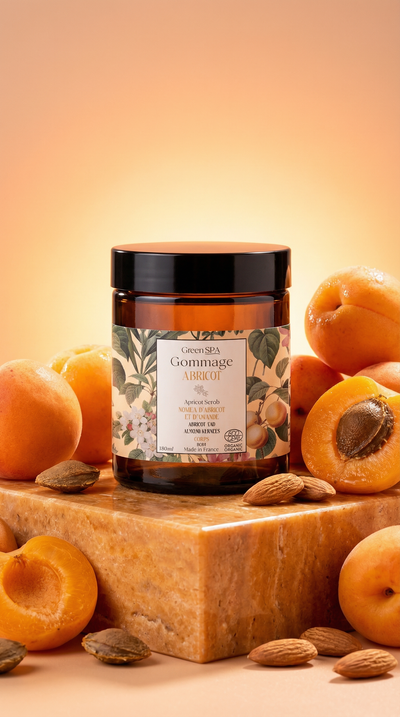
Use specialized applications or sites to decipher the composition of products. Always favor brands that demonstrate transparency, like Green Spa, a specialist in organic cosmetics for spas. Note, more than 60% of French consumers trust labels for their choices in organic label cosmetics, proof of the importance of serious certifications.
After having explored together the essential labels for reliable and respectful organic cosmetics in 2026, it is natural to want to go further to choose what really corresponds to your needs and values. Whether you are a wellness professional or simply concerned about your health and the environment, better understanding certifications allows you to opt for safe, ethical and authentic products, like those offered by Green Spa. If you would like to explore the subject further or ask your questions, do not hesitate to click here: To find out more