


List of Cosmetic Products: 10 Essentials to Discover in 2025
Discover the list of essential cosmetic products for 2025: 10 innovative and responsible essentials, adapted to current beauty trends and needs.

In 2025, beauty is evolving and placing natural and organic cosmetics at the heart of the routines of demanding consumers. Faced with growing distrust of conventional formulas and their controversial ingredients, it becomes essential to rethink your choices.
This ultimate guide aims to support everyone in the discovery, selection and adoption of natural and organic cosmetics. Here you will find clear definitions, labels to know, proven benefits, 2025 trends, practical advice and a selection of committed brands.
Attract your attention, arouse your interest, create the desire to transition towards naturalness and take action with our concrete recommendations.
Natural and organic cosmetics are generating growing popularity thanks to their promise of safety and respect for the environment. However, there is no single regulatory definition for natural and organic cosmetics, which can cause confusion among consumers. According to Weleda, each brand can therefore claim these terms with more or less demands.
There are several categories:
Composition remains at the heart of concerns. For a product to be considered natural and organic cosmetics, it must contain a high percentage of ingredients of natural origin. Manufacturing favors gentle processes, without chemical solvents, by promoting raw materials such as vegetable oils, butters or plant extracts. Ethics is also expressed through respect for soils, social and environmental criteria.
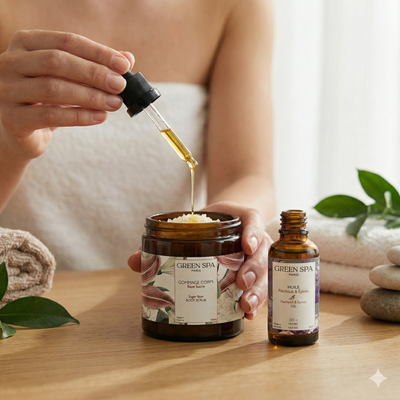
Among the flagship materials, the regenerating Pomegranate oil, composed of 100% natural ingredients, illustrates the desired purity requirement. To go further on the essential ingredients, discover plant extracts in cosmetics, a complete guide to the essential active ingredients in natural formulas.
Labels play a key role in guaranteeing quality and transparency in natural and organic cosmetics. Faced with the proliferation of products, these certifications make it possible to identify care that respects health and the environment.
Here is a comparative table of the main labels to know in 2025:
| Label | Origin | Main criteria | Logo to spot |
|---|---|---|---|
| COSMOS | Europe | Natural and organic ingredients, ecological processes, controlled packaging |  |
| Ecocert | France | 95% natural ingredients, 10% organic minimum, regular audits |  |
| Natrue | Europe | 100% natural or organic, no animal testing, transparency |  |
| Cosmebio | France | 95% natural, 20% organic minimum, respect for biodiversity |  |
Each label has its own requirements regarding the origin of ingredients, processing processes and choice of packaging. European labels, such as COSMOS or Natrue, harmonize standards and facilitate international recognition, while French labels, such as Ecocert and Cosmébio, promote local specificities.
According to a 2024 sector study, 72% of French consumers place their trust in organic labels, a figure which underlines the importance of these benchmarks in the selection of natural and organic cosmetics.
To avoid greenwashing, it is essential to know how to decipher labels, check for the presence of certified logos and refer to reliable resources. Find a complete overview of the labels in the Guide to organic labels in cosmetics, to help you choose authentic natural and organic cosmetic products.
Paying attention to certifications guarantees safer, respectful care that is aligned with your values.
Adopting natural and organic cosmetics means choosing products that respect health, the skin and the planet. This approach is attracting more and more consumers looking for security and transparency.
Natural and organic cosmetics guarantee the absence of parabens, silicones, sulfates or endocrine disruptors. This results in better skin tolerance, less risk of allergies and a significant reduction in irritation, particularly for sensitive skin.
The benefits also extend to the environment. According to ADEME, 80% of natural formulas are biodegradable compared to only 40% for conventional products. This choice reduces the carbon footprint and promotes the preservation of ecosystems. By supporting organic farming and fair trade, natural and organic cosmetics also contribute to a more responsible economy.
Many users report a visible improvement in the quality of their skin and a return to basics. Fragrance-free baby ranges are enjoying growing success with families concerned about the gentleness and purity of care.
To guarantee these benefits, it is essential to understand the labels and certifications. The Complete Guide to the Organic Cosmetic Logo in 2025 helps to decipher the criteria and make informed choices.
Natural and organic cosmetics will experience rapid development in 2025, driven by innovation, personalization and increased ethical standards. Let's discover together the main trends that are reshaping the sector this year.
In 2025, natural and organic cosmetics rely on ingredients from local sectors and upcycling such as coffee grounds or fruit seeds. Brands promote traceability and offer new textures, such as dry oils and melting balms. Serums with plant hyaluronic acid illustrate this quest for naturalness and effectiveness, while reducing environmental impact.
Adaptation of care is becoming the norm in natural and organic cosmetics, with online skin diagnostics and tailor-made minimalist routines. Multi-use solutions are attractive for their simplicity and effectiveness, meeting the specific needs of each skin type. This trend promotes a personalized and responsible approach to beauty, while limiting the number of products used.
Natural and organic cosmetics brands are strengthening their commitment to sustainability through refillable or recyclable packaging. Carbon offsetting and the preservation of biodiversity are essential selection criteria. According to Mintel, 65% of launches in 2024-2025 include eco-responsible packaging, illustrating the sector's desire to combine innovation and respect for the environment.
Choosing natural and organic cosmetics requires method and vigilance. Start by carefully reading the INCI list on the packaging: avoid controversial synthetic ingredients, favor those of plant origin. Check the presence of official labels, essential to guarantee quality and traceability. To delve deeper into what these certifications mean, visit Cosmébio labels and their meaning.
Always adapt your choice of natural and organic cosmetics to your skin type and your needs: sensitive skin, pregnant women or babies require special attention. Prefer brands that clearly communicate the origin of ingredients and systematically test new products in a small area.
To avoid greenwashing, don’t just rely on marketing claims. Analyze compositions, look for labels and pay attention to packaging and brand transparency.
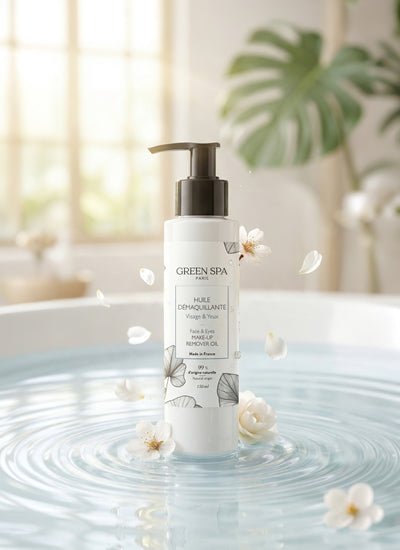
Finally, favor simple and effective beauty routines, such as removing makeup with oil or moisturizing with aloe vera. For a complete routine, discover the Natural facial hydration routine, ideal for establishing good daily practices.
Adopting an effective beauty routine in 2025 requires method and adaptation. Natural and organic cosmetics offer an approach that respects the skin and the environment, provided you follow a few essential tips.
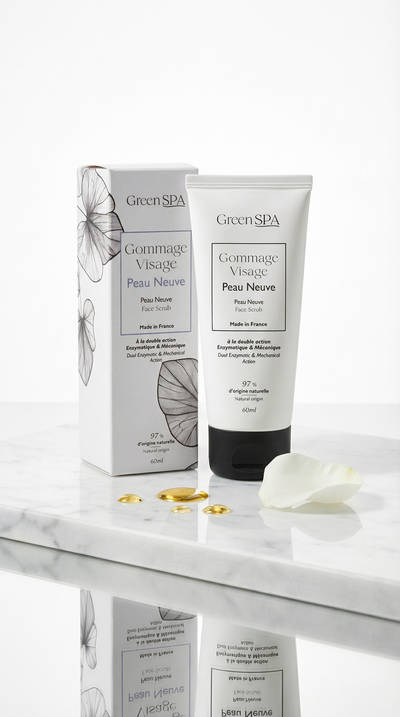
To begin, it is advisable to structure your routine around three key steps: cleansing, hydration and protection. Choose multi-use treatments and short formulas to respect skin balance. For example, a simple natural and organic facial scrub allows you to gently exfoliate without damaging the skin, while reinforcing the effectiveness of the treatments applied afterwards.
Adapt your routine to the seasons and the changing needs of the skin. For dry skin, combine a nourishing balm with a vegetable oil. Combination skin will appreciate a light cream enriched with aloe vera.
Add specific treatments as needed: serums with plant hyaluronic acid for hydration, masks rich in precious oils for radiance, or even probiotics to strengthen the skin barrier. Formulas from natural and organic cosmetics focus on the purity of active ingredients and the simplicity of compositions.
Consider alternating treatments according to periods of stress, pollution or hormonal changes. The reasoned combination of innovative products maximizes results while preserving skin health.
Switching to natural and organic cosmetics sometimes requires an adaptation phase, called “detox”, where the skin gradually regains its balance. It is useful to start by replacing one product at a time, to observe skin reactions and to favor regularity.
Do not hesitate to request personalized diagnostics or participate in workshops to support you in this transition. User testimonials show that patience and consistency bring visible benefits, both on the quality of the skin and on overall well-being.
After having explored together the fundamentals of natural and organic cosmetics, the labels to favor and the key trends of 2025, it is natural to want to go further to make the best choices for your skin and the environment. You would like to deepen your knowledge, discover our exclusive advice or receive personalized support in your transition to more responsible beauty. Take the time to inform yourself with complete confidence and take the first step towards a healthier and more ethical routine.
To find out more

Les beurres présents dans votre panier ont été retirés.
Nous sommes désolés, mais ce beurre ne peut actuellement pas être expédié dans de bonnes conditions.
Composé principalement de beurre de karité, il se liquéfie naturellement à partir d’environ 27 °C. En raison des fortes chaleurs estivales, sa vente est donc temporairement suspendue.
Il sera de nouveau disponible dès que les températures auront baissé, probablement début septembre.
Merci de votre compréhension.

