The Complete Guide to Massage Butter: Benefits and Uses 2026
In 2026, massage butter is becoming a treatment-room staple: protocol, benefits, choice, mistakes to avoid. Hands-on tips to get the best from every texture.

It is impossible to ignore.
In 2026, organic cosmetics are no longer a niche subject or a mere marketing argument. They are here. In treatment rooms, in spas, even in bathrooms. And above all, they are here to stay.
On the ground, we can feel it very clearly. Demands have changed. Clients ask more questions, want to understand, compare, and sometimes even challenge. They are no longer just looking for “a pleasant treatment,” but for something coherent, transparent, and almost reassuring. This guide is precisely for those who want to move beyond off-the-shelf pitches and make informed choices.
Here, we talk about practice. Treatment room reality. Concrete feedback. No sugarcoating, no vague promises. The idea is not to say that organic is the solution to everything, but to show how to use it intelligently, with high standards, and without making mistakes.
In practice, the word “organic” is still misunderstood. And that is understandable. On the ground, we see many products that look alike… without being equal.
A certified organic cosmetic product meets specific criteria. A minimum percentage of ingredients from organic farming, strict exclusions of petrochemicals, controlled traceability, regular audits. It is not just for show; it is regulated. And that changes everything in professional practice.
The problem is the confusion between “organic,” “natural,” “clean,” and “of natural origin.” All terms that reassure, but do not mean the same thing. In treatment rooms, we sometimes come across products that are very well presented, visually very green, but far from certified organic standards. Hence the importance of knowing how to read an INCI and understanding what lies behind the words. A point well explained in this comparison between organic and natural, often useful for setting things straight.
Regarding certifications, certain benchmarks always come up on the ground: COSMOS, Ecocert, Natrue. They are not identical, but they all impose a real framework. For practitioners, they serve as a foundation of trust. For clients, they provide a form of security. Today, more than one in two clients favors a certified treatment when they have the choice. It is no longer marginal.
In the treatment room, this translates into very concrete choices: identifiable plant oils, quality hydrosols, traceable plant extracts. And above all, into the practitioner's ability to explain, reassure, and adapt. Organic is not just a composition. It is also a professional attitude.
On the ground, the difference compared to ten years ago is striking. Vague textures, bland fragrances, uncertain effectiveness… those days are behind us.
Clients want to feel something. Textures that truly melt, that glide just right. Natural fragrances that are present, but never overwhelming. In treatment rooms, dry oils, melting butters, and evolving balms have clearly taken over.
Personalization is also becoming essential. More precise diagnostics, adaptable protocols, treatments adjusted to the skin of the day. In many treatment rooms, offering a completely standardized treatment is becoming the exception. Customization is no longer a luxury; it is an expectation.
Active ingredients are changing. A lot. We are seeing local ingredients, sometimes from upcycling, fermented extracts, algae, and plants that have long been overlooked. Green biotechnology now makes visible results possible, even on complicated or sensitized skin.
In practice, this means fewer reactions, better overall tolerance, and results that are more gradual but more lasting. 2026 cosmetic trend analyses confirm it: organic is no longer “gentle but ineffective.” It has become technically credible.
The container matters. More and more. Refills, deposit systems, drastic reduction in plastic. Clients are paying attention and quickly spot inconsistencies. On the ground, serious organic brands have already crossed this threshold. The result: more consistency, more loyalty, and a stronger image in treatment rooms.
This is often where it all happens. And where mistakes happen.
First reflex: read the INCI list, really. The first ingredients set the tone. A plant oil at the top of the formula does not have the same impact as an active ingredient that is highlighted but present at 0.1%.
Second point: do not rely on the visual. Green packaging does not make a product organic. Greenwashing still exists, especially in certain mass-market ranges.
Third element, too often underestimated: adaptation. An organic formula is not universal. Sensitive skin, pregnancy, allergies… everything must be taken into account. In treatment rooms, the in-room test remains the best safety measure before incorporating a product into a protocol.
|
Common mistake |
Effect observed in the treatment room |
|---|---|
|
Overdosing essential oils |
Redness, discomfort |
|
Poor combination of actives |
Skin imbalance |
|
Purchase without a real test |
Client disappointment |
|
Choice based on marketing claims |
Weak results |
On the ground, it is clear: it is not organic that disappoints, it is the wrong choice.
Organic requires a different approach. More thoughtful. More consistent. Less excessive.
At home, we look for the essentials. Gentle cleansing, well-targeted hydration, appropriate protection. There is no need to pile it on. Organic works better when you let it breathe. Observing the skin, adjusting according to the season, avoiding overstimulation… that is often when results appear.
In the treatment room, everything starts with the diagnosis. Then, the technique, the dosage, the application time. Nothing is set in stone. A well-executed organic treatment can be adjusted on the spot, depending on the skin's reaction, the client's experience, and the energy of the moment. That is where the practitioner's expertise makes all the difference.
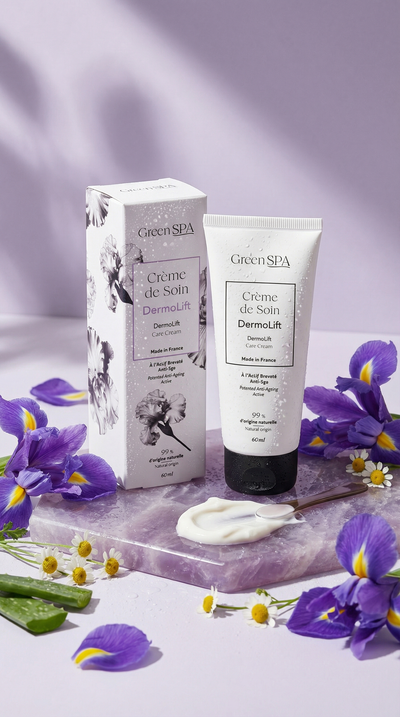
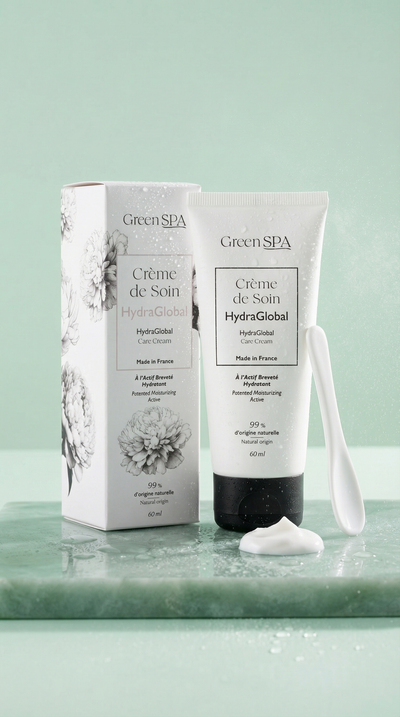
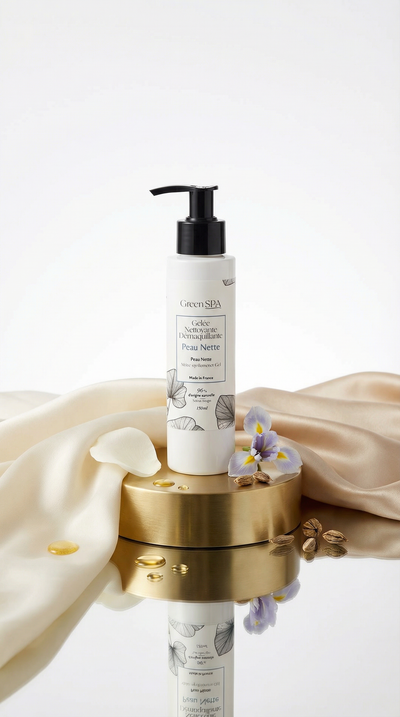
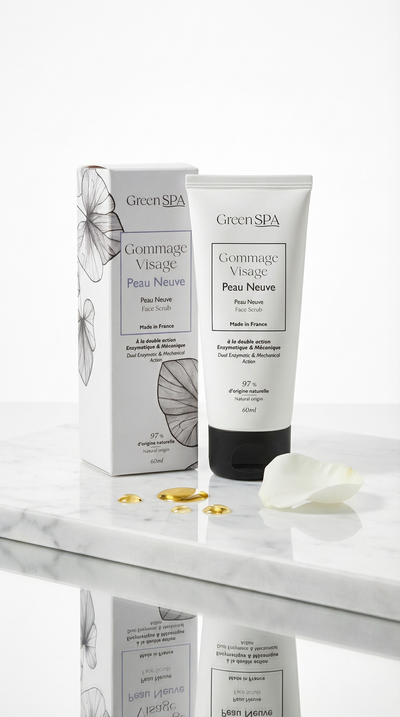
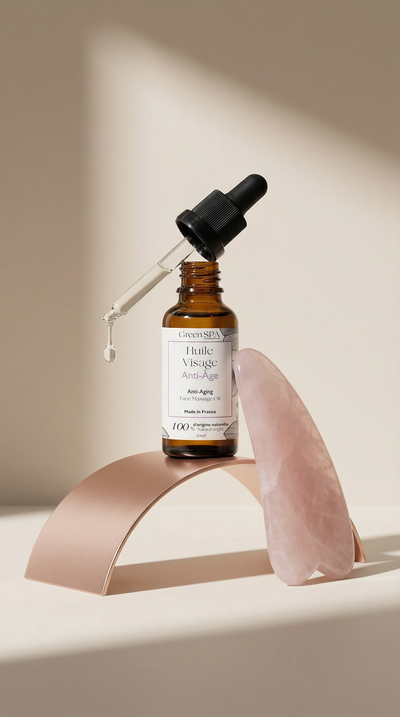
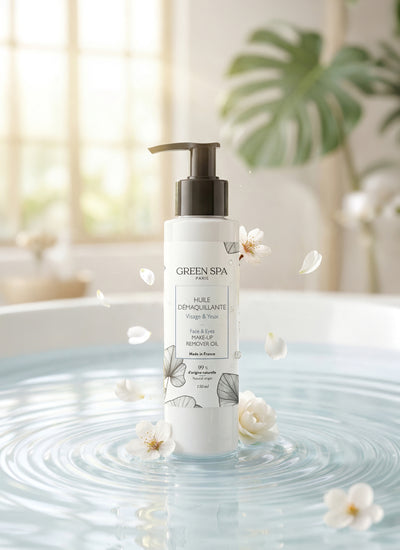
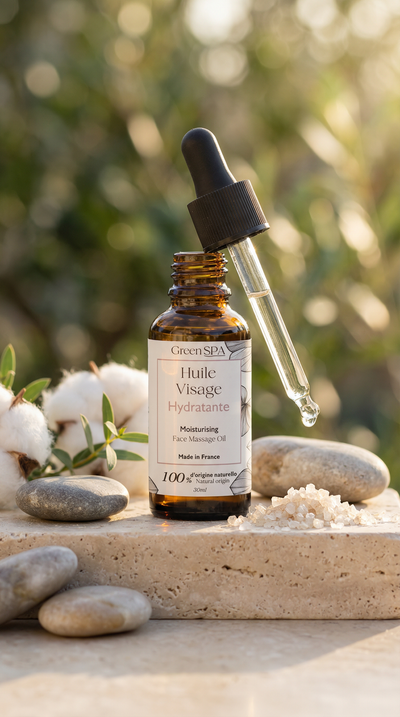
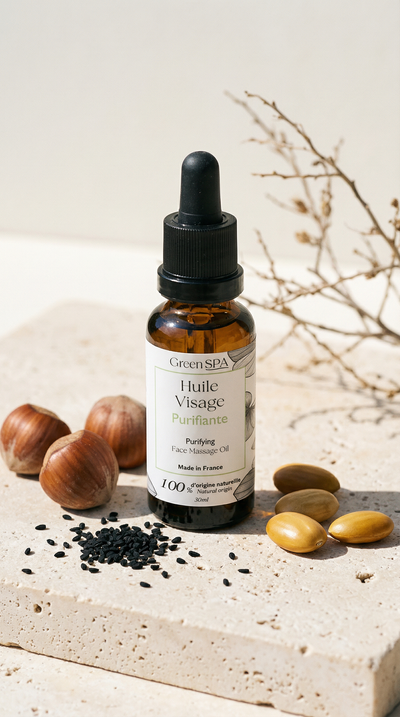
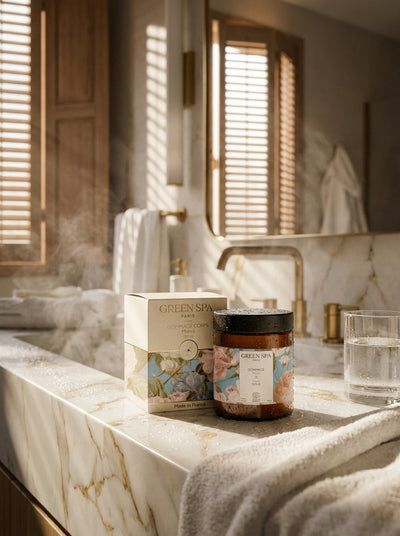
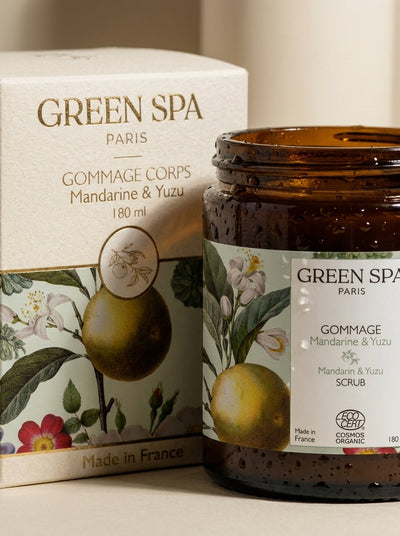
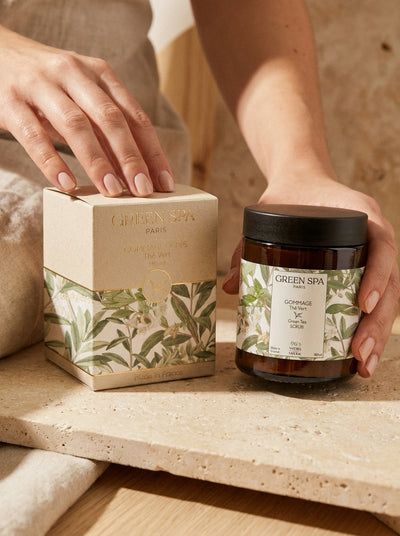
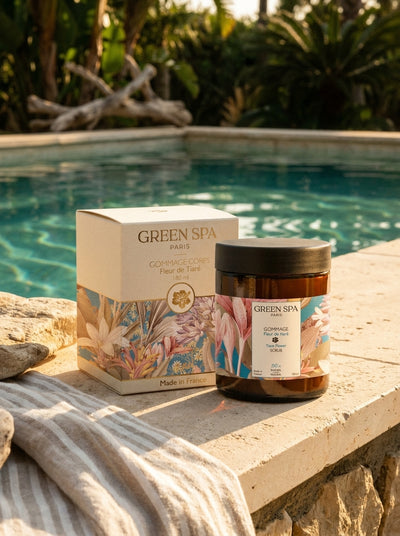
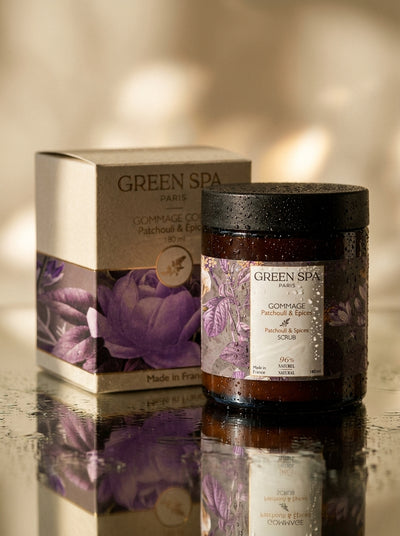
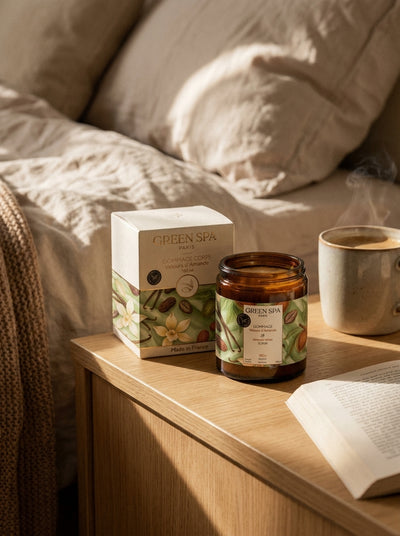
On the ground, certain brands naturally stand out. Green Spa is one of them. Not because of a trend, but because of consistency. French manufacturing, demanding formulas, rituals designed for the treatment room, support for professionals. Organic is treated as a tool for sensory performance, not as a mere marketing argument.
Even with experience, certain habits remain pitfalls. The most common? Doing too much. Combining actives, layering treatments, wanting to “boost” at all costs. In organic, that is rarely the right approach.
Another key point: forgetting seasonality. A rich routine in the middle of summer can quickly unbalance the skin. Finally, a frequent confusion: organic does not mean hypoallergenic. Once again, the diagnosis remains the foundation.
The movement is underway, and it will not slow down. Clients are informed, demanding, and sometimes even very knowledgeable. They want proof, consistency, and education. Regulations are tightening, tools are evolving, and training is becoming essential.
Tomorrow, organic will no longer be a differentiating option. It will be a foundation. Those who know how to integrate it with insight, high standards, and practical knowledge will make the difference. Commercially, of course. But above all, in the client relationship.
We could go on for a long time. Because every skin is unique. Every treatment room too. And because in skincare, the right questions are often worth as much as the right answers. If you feel the need to go further, to refine a choice, to challenge a protocol, or simply to talk with someone who truly knows the reality on the ground, the conversation remains open.